High Conflict Divorce for Executives: Psychological Landmines and Practical Protections
Introduction: When Executive-Level Pressure Meets High-Conflict Divorce
Nella at Bella Psychological and Wellness Services supports executives and their spouses through high conflict divorce, focusing on both mental health and strategic planning. When you combine demanding careers, complex compensation structures, and a spouse with high conflict behaviors, standard divorce advice falls short.
This article is for high-earning executives—or their spouses—facing a high conflict personality alongside complex assets like stock options, RSUs, and performance bonuses. Whether you’re navigating divorce in 2025 or preparing for what lies ahead in 2026, you need more than legal strategies. You need a coordinated approach.
What should you do first? Take three concrete actions:
Schedule a mental health consultation within the next week
Gather key financial documents from the last 3–5 years
Start documenting hostile communications today
High conflict divorce is not just a legal process. It is a psychological and strategic challenge requiring a coordinated team—therapist, divorce coach, attorney, and sometimes forensic accountant. This article blends psychological insights with executive-specific issues: compensation structures, reputation risk, and co-parenting schedules around travel.

What Makes a Divorce “High Conflict” for Executives?
High conflict divorce represents chronic, escalating conflict driven disproportionately by one partner’s personality structure rather than situational stress. This isn’t just “a tough breakup.” Research defines these situations as marked by high degrees of anger, hostility, distrust, intensive litigation, and ongoing difficulty communicating about children’s care.
Executives’ lifestyles amplify these dynamics. Long hours, frequent travel, high visibility roles, and compensation complexity create additional attack surfaces. A 2023 case involved a tech VP in Washington, DC whose spouse filed multiple emergency motions over parenting time—each timed to coincide with major board presentations.
Common high conflict behaviors in this population include:
Constant litigation threats as control mechanisms
Weaponizing children’s schedules around business travel
Flooding with texts, emails, and voicemails
Reputation attacks at work or on social media
Refusing to follow court orders or custody agreements
The distinction matters: a painful but standard divorce involves two parties who ultimately seek resolution. High conflict situations involve personality pathology, coercive control, or severe emotional dysregulation that makes normal problem-solving impossible.
Psychological Drivers: High-Conflict Personalities in Executive Marriages
Bella Psychological and Wellness Services does not diagnose your spouse from afar. However, we help you recognize patterns so you can protect yourself and your children through the divorce process.
Cluster B traits—narcissistic, borderline, antisocial, and histrionic presentations—are disproportionately represented in high conflict divorce. Combined with power, status, or wealth, these patterns intensify dramatically during separation.
“Splitting” and all-or-nothing thinking characterize these personalities. Your spouse may idealize you to colleagues one week and portray you as dangerous to the court the next. Feelings that were once loving transform into rage and betrayal seemingly overnight.
These personality patterns typically originate years or decades before 2025-2026. Expecting a sudden shift in empathy or fairness during your divorce is unrealistic.
Narcissistic Traits and the Executive Identity
Narcissistic personality disorder traits can be camouflaged as “strong leadership” in corporate environments. The core features—grandiosity, entitlement, lack of empathy, and extreme sensitivity to criticism—intensify when the marriage ends. They view divorce as a personal attack rather than a legal process.
Narcissistic ex-partners may:
Use company status or legal threats to intimidate
Recast themselves as the “victim” to friends, family, and the court
Use children to preserve self-image, insisting kids choose “the successful parent”
File repeated motions to “win” rather than resolve
Refuse reasonable settlement offers to punish the other party
Bella Psychological and Wellness Services helps clients map these patterns so they stop personalizing attacks and respond strategically instead of reacting emotionally.
Borderline Traits, Abandonment Fears, and Escalating Crises
Borderline features create different high conflict patterns: intense fear of abandonment, black-and-white thinking, rapid mood shifts, and emotional crises when separation becomes real. Intense emotions drive extreme behaviors during key transitions.
Serving divorce papers, moving out, or filing in court can trigger escalations including threats of self-harm, false allegations, or dramatic police involvement. For executives, your travel schedule and demanding hours can be reframed as abandonment or neglect.
Concrete guidance:
Always document threats in writing
Communicate in writing when safe to do so
Consult both legal counsel and mental health professionals before responding
Develop safety planning with professional support
Nella and other professionals at Bella Psychological and Wellness Services provides emotional containment strategies, especially when children witness these crises.
Control, Surveillance, and Coercive Patterns
Coercive control behaviors often escalate during high conflict executive divorces: monitoring devices, GPS tracking, email access, and financial strangulation. Access to company technology or financial tools makes this more sophisticated—reviewing calendar invites, monitoring business travel, accessing expense reports.
Take these digital safety steps immediately:
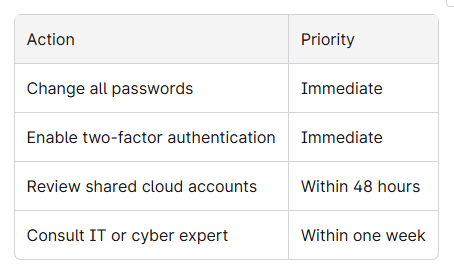
Coercive control escalates during key milestones: filing date, interim hearings, holiday schedules, or first post-separation bonus payout. Documenting these behaviors in a calm, factual log provides critical evidence for attorneys and evaluators.
Executive Compensation: Why High-Conflict Personalities Fixate on Money and Status
For many executives, compensation structures become the battlefield in high conflict divorce. Base salary, annual bonuses, long-term incentive plans, RSUs, stock options, and performance shares each present complex division questions.
In 2025-2026, executive pay in tech, finance, healthcare, and professional services typically includes multiple components with different vesting schedules, tax implications, and clawback risks. A high conflict spouse may obsess over stock vesting dates, demand unrealistic lifestyle maintenance, or accuse you of hiding assets without evidence.
Assemble these documents from the last 3–5 years:
Offer letters and promotion letters
Equity grant summaries and vesting schedules
W-2 and 1099 forms
Bonus documentation and clawback provisions
Nella does not provide legal or tax advice but helps clients emotionally manage forensic review and contentious negotiations.
Marital vs. Separate Property: Timing, Vesting, and Perception of Fairness
Timing of grants and vesting influences what’s considered marital property. A 2020 RSU grant vesting quarterly from 2021–2025 creates complex classification questions. Stock options granted in 2019 that won’t fully vest until 2027 present additional disputes about future compensation.
High conflict spouses may weaponize partial understanding of these structures, accusing the executive of deliberately delaying promotions or manipulating vesting to reduce the settlement. This is where family law expertise becomes essential.
Note: This article is educational, not jurisdiction-specific legal advice. Consult local counsel familiar with your state’s laws in 2025-2026.
Valuation Battles and Emotional Triggers
Valuation disputes often become emotional flashpoints where deeper resentment about power, sacrifice, and perceived betrayal surfaces. Financial tools like discounted cash flow analysis or Black-Scholes modeling for stock options determine values, but high conflict people reject neutral findings.
A high conflict spouse may:
Reject neutral expert reports
Hire multiple experts seeking favorable numbers
Use valuation disputes to prolong litigation and maintain contact
Complex high-asset cases frequently extend 18–36 months. Bella Psychological and Wellness Services helps executives develop coping plans for major litigation events including depositions, settlement conferences, and trial.
Taxes, Bonuses, and the Illusion of Endless Cash Flow
Gross income does not equal spendable income. Executives with large tax obligations and variable bonuses face particular challenges. High conflict spouses anchor to “career years”—a large 2022 bonus or 2024 IPO event—and insist this continues indefinitely.
Example: $750,000 compensation breakdown
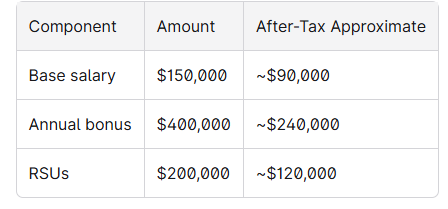
Key considerations:
Ordinary income tax vs. capital gains on certain equity
Clawback and performance risk on bonuses
Non-compete clauses reducing earning capacity post-divorce
Cash flow variability year-to-year
Integrate legal, tax, and psychological planning so financial decisions don’t come from fear or the urge to “just make it stop.”
Alimony, Child Support, and Parenting Schedules Under High Conflict
Support and parenting issues are where high conflict behavior is most visible—and most damaging to children. Parenting disputes become leverage points rather than genuine concerns about children’s welfare.
Common disputes include:
Accusations of “gold digging” or “financial abandonment”
Attempts to inflate or minimize income
Interference with parenting time to gain support leverage
While formulas exist in many jurisdictions, high income and high conflict mean more discretion, more evidence, and more professional testimony. The court system becomes another arena for control.

Protecting Children from the Crossfire
Children are often the primary unintended victims of high conflict executive divorces. Research shows exposure to ongoing arguments, manipulation, and legal battles affects self-esteem, academic performance, and future relationship capacity.
Harmful patterns to avoid:
Interrogating children after visits
Discussing litigation details in front of them
Using them as messengers for financial or schedule disputes
Strategies that minimize conflict impact:
Use age-appropriate, consistent scripts when explaining divorce
Coordinate with child therapists or evaluators
Create predictable routines around exchanges
When co-parenting is impossible due to severe conflict, parallel parenting structures—limited direct contact with detailed written agreements—reduce risk to children. Nella Ciciulla Albrecht provides parent coaching focused on emotional intelligence and communication during transitions.
Bounce-Back Schedules for Traveling Executives
Executives with regular travel face unique challenges. Weekly flights, multi-day offsite meetings, and end-of-quarter demands complicate parenting schedules.
Creative scheduling options:
Modified 2-2-5-5 schedules accommodating predictable travel
Longer blocks during non-peak work periods (school breaks, post-earnings windows)
Virtual connection rituals: video bedtime calls, shared online activities
High conflict spouses may sabotage travel information, accusing the executive of abandoning children. Detailed parenting plans should require:
Advance notice of trips
Identified backup caregivers
Clear rules about make-up time
Documenting good-faith efforts to stay involved matters significantly in custody evaluations or modifications.
Communication, Documentation, and Boundary-Setting Skills
In high conflict executive divorces, how you communicate matters as much as what you communicate. Written formats the court may review require careful attention.
Evidence-based tools include:
BIFF method: Brief, Informative, Friendly, Firm
EAR statements: Empathy, Attention, Respect
Executives often default to business-style communication, which a high conflict spouse misreads as cold or controlling. Establish clear channels: court-approved apps, email only, or attorney-to-attorney for sensitive topics.
Nella at Bella Psychological and Wellness Services teaches specific scripts for responding to hostile messages without fueling further conflict.
Building an Evidence File Without Obsessing Over Every Text
Effective documentation focuses on clarity and efficiency rather than compulsive monitoring.
What to document:
Chronological incident logs for major events (threats, police involvement, missed exchanges)
Organized folders for financial documents, emails, and text screenshots
Backups to secure, private cloud storage
Overly emotional commentary hurts credibility. Use factual, date-stamped entries only. A well-structured evidence file supports attorneys, custody evaluators, and mediators while saving time and fees.
Strategic Disengagement: When Not to Respond
Not every provocation requires a response. Late-night messages, communications during important work events, or confrontations in front of children rarely warrant immediate reaction.
Decision criteria:
Is this about children’s immediate safety?
Is there a court deadline or legal requirement?
Will silence likely escalate risk?
Schedule specific times to review communications rather than reacting emotionally in real time. Strategic disengagement protects mental health, job performance, and your legal case simultaneously.
Working with a High-Conflict Divorce Team: Role of Psychological Support
High conflict executive divorces require a multidisciplinary team: family law attorney, mental health professional, financial expert, and sometimes a divorce coach or mediator. Other professionals bring expertise Bella Psychological and Wellness Services complements with individual therapy, high-conflict consultation, and executive-specific stress management.
Coordinate messaging so legal strategies and psychological strategies don’t work at cross-purposes. Regular sessions—weekly or biweekly during filing, temporary orders, discovery, mediation, or trial—stabilize decision making.
View therapy as a performance asset, similar to executive coaching, especially during prolonged 2025-2026 litigation.
Executive Burnout, Trauma, and Post-Divorce Recovery
High conflict personalities often continue conflict after the decree through post-decree litigation or co-parenting disputes. Dealing with this ongoing relationship creates lasting stress.
Common issues after decree:
Intrusive thoughts about hearings and testimony
Hypervigilance around emails and messages
Work performance dips following prolonged conflict
Even highly successful leaders develop anxiety, depression, or health problems from extended high conflict situations. Psychological abuse leaves marks regardless of professional success.
Recovery roadmap:
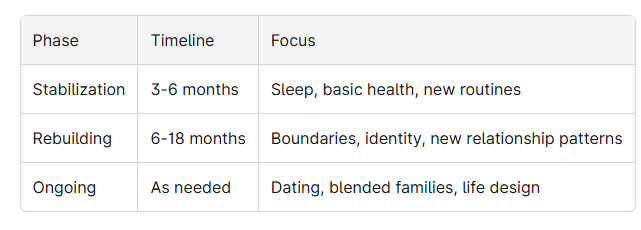
Nella and Bella Psychological and Wellness Services partners with clients in rebuilding balanced, values-driven life after high conflict divorce.
Conclusion: Choosing Strategy Over Chaos in Your High-Conflict Executive Divorce
You cannot change a high conflict ex. But you can transform your strategy, support system, and responses. You can regain control of your own behavior while accepting you cannot control the other party.
Three key pillars:
Psychological insight into high conflict personalities
Practical mastery of communication, documentation, and boundaries
Coordinated work with legal and financial professionals understanding executive compensation
Action checklist:
Within 7 days: Schedule an initial consultation with Bella Psychological and Wellness Services
Within 30 days: Organize compensation and communication records for your attorney
Over 3-6 months: Build sustainable routines protecting your mental health and children’s stability
High conflict executive divorces present unique challenges. The process demands decades of expertise applied to your specific situation. But with the right structure and support, clients emerge with careers intact, children prioritized, and clearer paths forward. Peace becomes possible again.
Contact Nella for confidential, specialized support tailored to high conflict, high-asset divorce dynamics. Your future—and your family’s future—deserves expert guidance through this difficult life transition.